

Blood collection
10–20 ml of blood is drawn from your vein, just as in a routine blood test.
ABOUT
Get to know the surgeon, his philosophy, and how every treatment plan is designed individually.
MORE ABOUT THE SURGEONNON-SURGICAL
Face and body treatments for natural renewal, improved skin texture, and enhanced features.
ALL TREATMENTSAESTHETIC SURGERY
Breast, face and body procedures organised clearly so every visitor finds exactly what they need.
ALL PROCEDURESBLOG
Selected articles helping visitors understand treatments, procedures, and choices.
ALL ARTICLESA comprehensive guide to botulinum toxin treatment areas, aesthetic and therapeutic.
READ ARTICLE NON-SURGICALHow hyaluronic acid and collagen biostimulators rejuvenate the face without surgery.
READ ARTICLECONTACT
A clear path to booking an appointment, calling the clinic, or sending your question.
BOOK AN APPOINTMENTNon-Surgical
Nature in service of beauty — rejuvenation therapy with autologous (your own) growth factors.
What it is – What it offers
PRP (Platelet-Rich Plasma) is an autologous therapy that harnesses the growth factors found in your own blood to stimulate skin renewal. A small blood sample is drawn, centrifuged to isolate the platelet-rich plasma, and then injected into the target areas. The high concentration of growth factors (PDGF, TGF-β, VEGF) activates fibroblasts, enhances collagen and elastin production, and accelerates tissue remodelling.
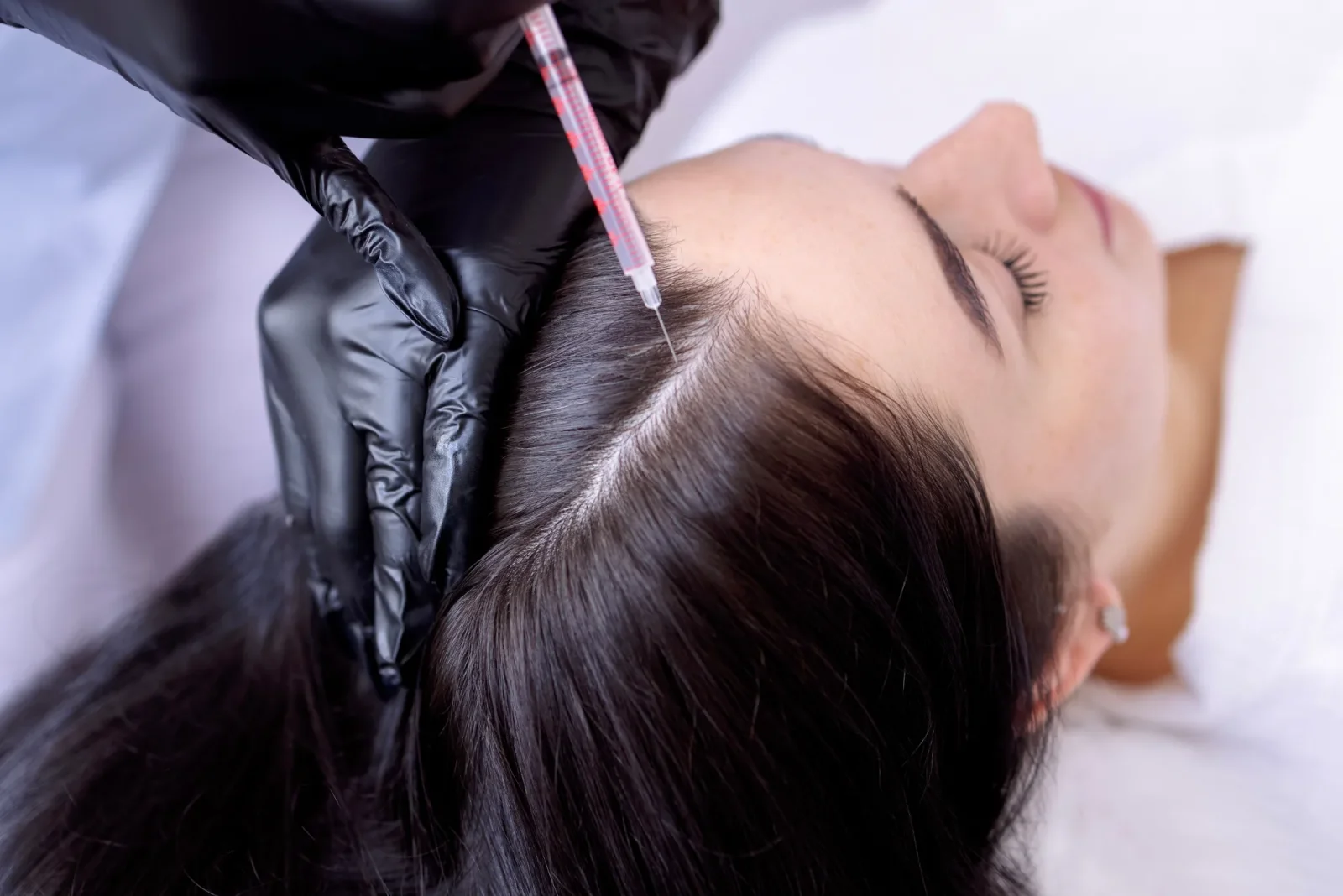
Treatment areas
PRP can be applied to the following areas.
Beauty by Design
PRP therapy uses your own platelet-rich plasma to stimulate natural skin renewal and regeneration.
How the treatment is performed
Treatment takes 30–45 minutes and is comfortable with topical anaesthetic cream, with only mild discomfort.
10–20 ml of blood is drawn from your vein, just as in a routine blood test.
The blood is placed in a centrifuge to separate its components. The process takes approximately 10 minutes.
The platelet-rich plasma (PRP) is collected — containing a high concentration of growth factors.
The PRP is injected with very fine needles into the target areas. Topical anaesthetic cream may be applied if desired. Return to activities is immediate.
Preparation before treatment
Preparation is simple. Treatment takes place in the clinic, without hospitalisation, and return to activities is immediate.
Treatment Profile
Recovery
After the injections, mild redness or slight, transient swelling at the puncture points is expected. Due to the nature of the treatment, these symptoms subside quickly within the next 12 to 24 hours.
Keep the area clean and avoid touching your face with dirty hands for the first few hours. Also avoid washing the area with very hot water and using strong cleansers on the first evening. For 48–72 hours, also avoid products containing retinol or acids (AHA/BHA) and use gentle cleansing and moisturiser only. Increase your fluid intake in the first days.
Applying a high-SPF sunscreen is essential. Avoid direct and prolonged sun exposure for the first days after treatment.
Avoid saunas, steam baths or swimming pools for the first 3 days, to protect the puncture points from irritation.
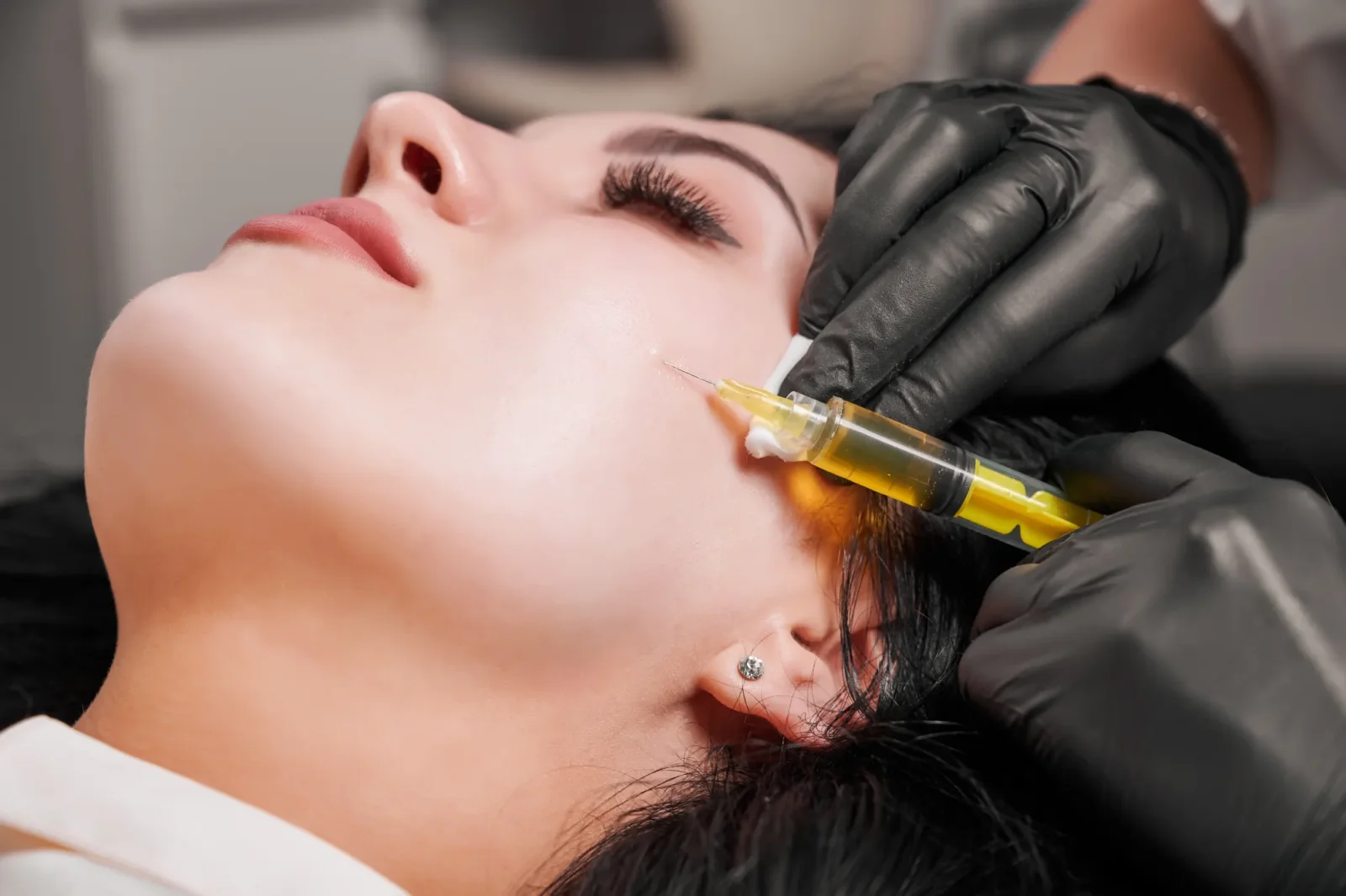
Results
Representative PRP results on face, neck and scalp.
FAQ
For a deep remodelling result, an initial course of 3–4 sessions is usually recommended, 3–4 weeks apart. Then, to maintain cellular stimulation, 1 maintenance session 1–2 times per year is recommended, depending on age and the skin's needs.
Because PRP activates the body's own natural collagen production, the results can last for a significant period. After completing the initial course, the improved texture, radiance and firmness of the skin can be maintained for 1 to 1.5 years before a repeat maintenance session is needed.
The likelihood of complications is very low. Because the material is autologous (produced from your own blood), the risk of an allergic reaction, granuloma or other incompatibility is particularly low. The only expected “side effects” are limited to mild redness or, rarely, a small bruise at the puncture points, which resolve on their own.
First results (improvements in texture and radiance) are noticeable within 2–4 weeks after the first session. The result develops gradually after 3–4 sessions, as PRP stimulates long-term collagen and elastin production.
Contraindications include: blood disorders (thrombocytopenia, bleeding disorders), anticoagulant therapy, active infection or inflammation at the treatment site, certain autoimmune conditions. Assessment is always carried out before each session.
The treatment must be performed exclusively by a specialised doctor, in a controlled medical environment and with certified, sterilised collection kits approved by the US Food and Drug Administration (FDA) and the European Medicines Agency (EMA).
Assess your needs and design a personalised PRP treatment plan.
Results vary from person to person and cannot be guaranteed. Suitability for any treatment is determined by the doctor after a personal consultation.