

Dermatological assessment
The doctor examines skin quality, identifies the scale of the concern and selects the appropriate depth category: superficial, medium-depth or deep peel.
ABOUT
Get to know the surgeon, his philosophy, and how every treatment plan is designed individually.
MORE ABOUT THE SURGEONNON-SURGICAL
Face and body treatments for natural renewal, improved skin texture, and enhanced features.
ALL TREATMENTSAESTHETIC SURGERY
Breast, face and body procedures organised clearly so every visitor finds exactly what they need.
ALL PROCEDURESBLOG
Selected articles helping visitors understand treatments, procedures, and choices.
ALL ARTICLESA comprehensive guide to botulinum toxin treatment areas, aesthetic and therapeutic.
READ ARTICLE NON-SURGICALHow hyaluronic acid and collagen biostimulators rejuvenate the face without surgery.
READ ARTICLECONTACT
A clear path to booking an appointment, calling the clinic, or sending your question.
BOOK AN APPOINTMENTNon-Surgical
Personalised exfoliation for smooth, radiant and youthful skin.
What it is – What it offers
Chemical peel treatment is a timeless and highly effective method of medical skin resurfacing. It is based on the controlled removal of the damaged outer layers of the skin, revealing a new, healthy and smooth surface.
Chemical peels act far deeper than a simple exfoliation. The skin is dynamically stimulated and produces increased quantities of collagen and elastin — restoring lost firmness, erasing fine wrinkles and pigmentation.
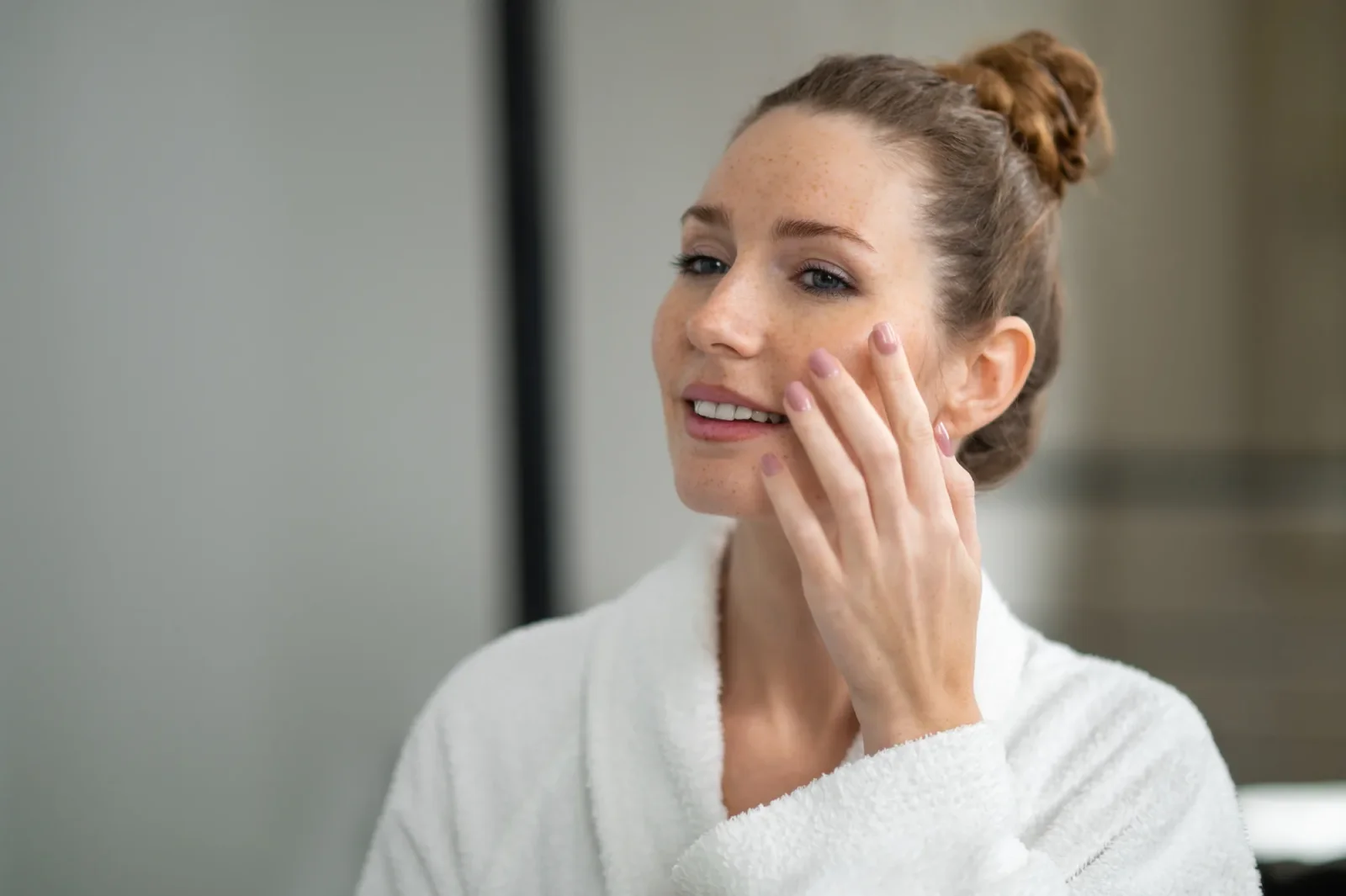
Areas & Indications
Treatment is applied to the face, neck and décolletage, offering solutions for a wide range of skin concerns.
Beauty by Design
Chemical peel removes damaged surface layers to reveal smoother, more radiant, evenly toned skin.
How the treatment is performed
The doctor examines skin quality, identifies the scale of the concern and selects the appropriate depth category: superficial, medium-depth or deep peel.
According to skin type, the appropriate solution is selected: AHA/Glycolic for radiance, Salicylic/Azelaic for acne and oiliness, Kojic/Jessner for spots, TCA/Phenol for deep scars and wrinkles.
The chemical solution is applied precisely to the treatment area for a specific time. Damaged cells are broken down in a controlled manner and then the peel is neutralised.
Preparation before treatment
Arrive with clean skin, free of any make-up.
Avoid intense sun exposure or sunbeds for at least one week beforehand. Discontinue use of retinol products or other strong exfoliants 3–4 days before the session, as directed by the doctor.
Quick Facts
Recovery
After the treatment, the plastic surgeon will give you detailed instructions on what you should and should not do, so that there are no surprises.
Redness, mild swelling or a tightening sensation may appear depending on peel depth. These symptoms are normal and subside gradually.
When skin begins to peel, do not pull at it. Allow crusts to fall away naturally — forcibly pulling can cause lasting pigmentation changes.
Avoid hot water when cleansing, excessive facial expressions immediately after, and sleeping face-down for the first few days.
Daily and diligent use of high-factor sunscreen (SPF) is mandatory to protect the new, sensitive skin layer.
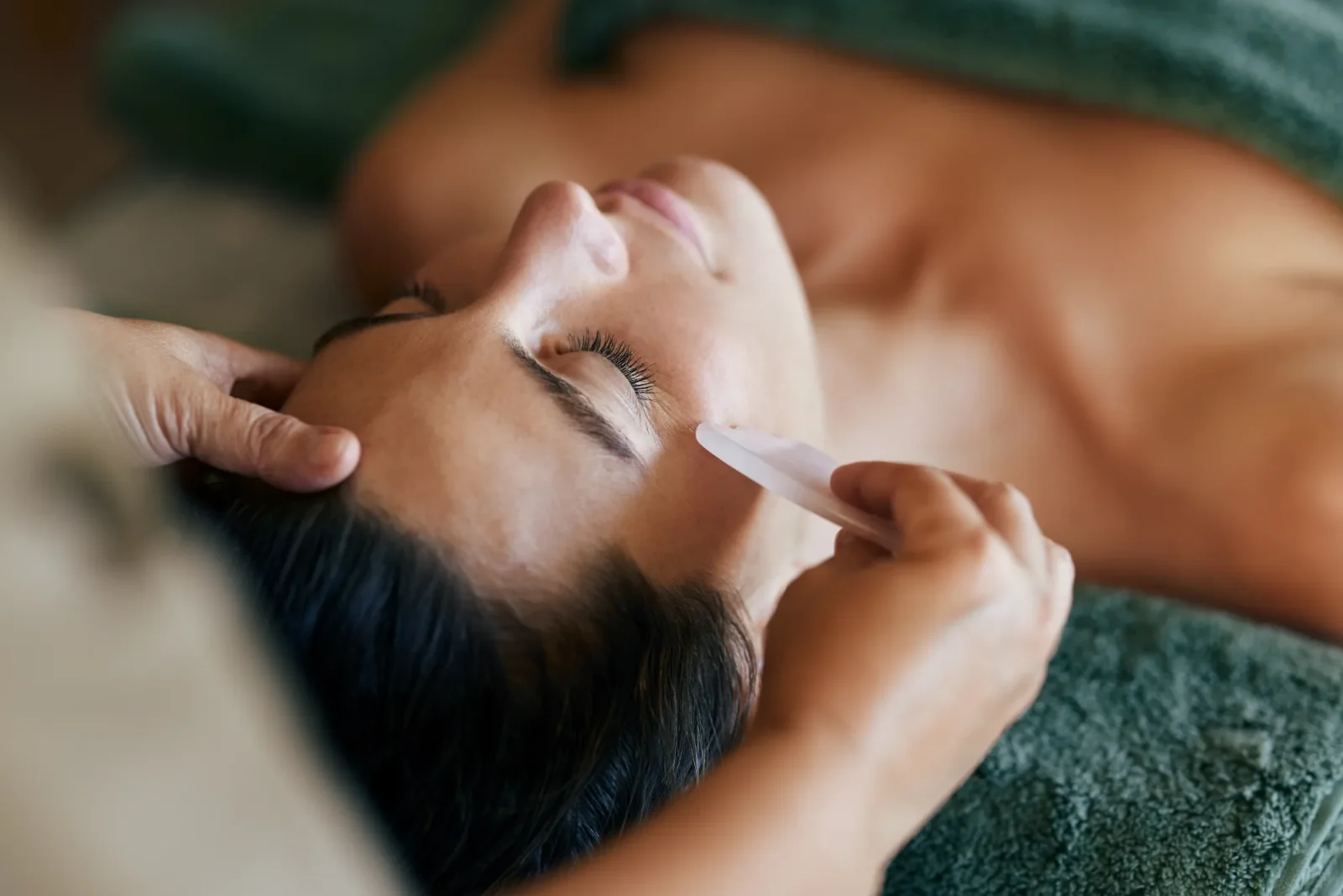
Results
Representative Chemical Peel cases. The result is always evaluated in the context of each person's anatomy and goals.
FAQ
Frequency is determined by peel depth and indication. Superficial chemical peels can be repeated every 1–6 weeks, medium-depth peels every 3–6 months, and deep peels typically every 12–18 months.
Home peels are usually simple mechanical scrubs or cosmetics with low acid concentrations — far less effective. Medical chemical peels have high controlled concentrations, act on deeper layers and provide real, structural skin resurfacing.
Mechanism of action: A chemical peel achieves exfoliation through the chemical action of specialised acids (e.g. glycolic, salicylic), whereas microdermabrasion uses mechanical friction with microcrystals to remove cells. Depth of action: A chemical peel can penetrate to a significantly greater depth (medium or deep), making it suitable for pronounced acne scars, deep pigmentation and marked photoageing. Microdermabrasion, by contrast, acts more superficially, making it suitable for immediate radiance, refining open pores and smoothing early fine lines.
Temporary discomfort such as redness, light peeling or mild local swelling may occur. These depend on individual sensitivity and treatment depth, and subside when the plastic surgeon's aftercare instructions are followed.
The treatment must be performed exclusively by a specialised doctor using certified medical materials approved by the US Food and Drug Administration (FDA) and the European Medicines Agency (EMA).
Assess your goals and design a personalised treatment plan together.
Results vary from person to person and cannot be guaranteed. Suitability for any treatment is determined by the doctor after a personal consultation.