

Anaesthesia
The procedure is always performed under general anaesthesia.
ABOUT
Get to know the surgeon, his philosophy, and how every treatment plan is designed individually.
MORE ABOUT THE SURGEONNON-SURGICAL
Face and body treatments for natural renewal, improved skin texture, and enhanced features.
ALL TREATMENTSAESTHETIC SURGERY
Breast, face and body procedures organised clearly so every visitor finds exactly what they need.
ALL PROCEDURESBLOG
Selected articles helping visitors understand treatments, procedures, and choices.
ALL ARTICLESA comprehensive guide to botulinum toxin treatment areas, aesthetic and therapeutic.
READ ARTICLE NON-SURGICALHow hyaluronic acid and collagen biostimulators rejuvenate the face without surgery.
READ ARTICLECONTACT
A clear path to booking an appointment, calling the clinic, or sending your question.
BOOK AN APPOINTMENTFace Surgery
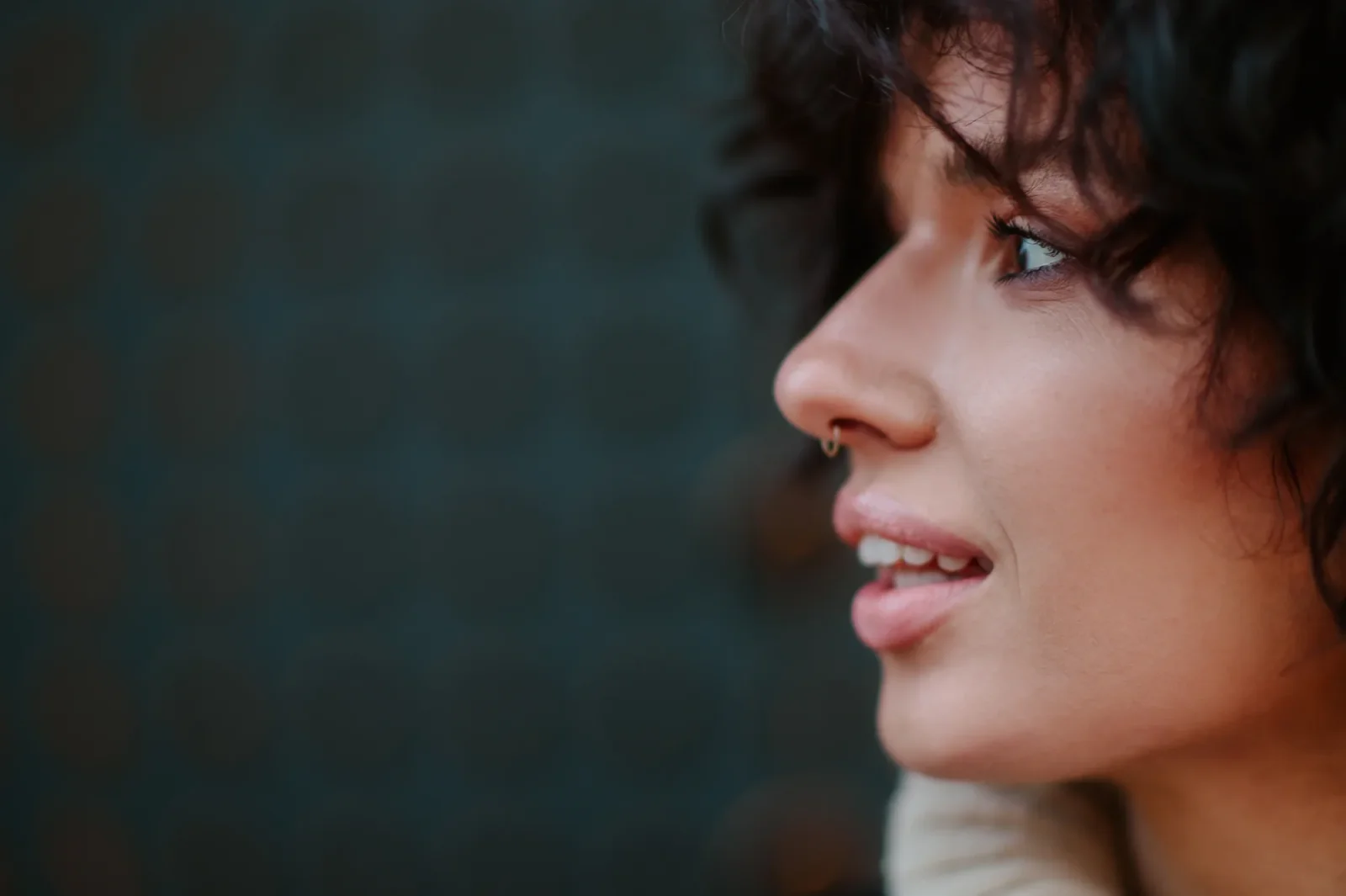
Modern Rhinoplasty aims to give you a nose in balance with your face, offering harmony in your features and improved breathing.
What it is & what it offers
Rhinoplasty (nose reshaping) is a surgical procedure that simultaneously corrects both the aesthetic and functional problems of the nose. Its goal is to deliver a natural-looking result that harmonises with all the other features of the face. At the same time, by correcting the internal anatomical structures, rhinoplasty aims to improve breathing. Improvement of the nasal valve and realignment of the septum improve sleep quality, everyday stamina and overall quality of life — while also providing a powerful boost of confidence.
What we correct
The procedure is designed individually to address complex anatomical concerns. It offers significant benefits in the following cases:
Beauty by Design
Every rhinoplasty is planned individually, aiming for a result that enhances your natural facial features.
Pre-operative preparation
During the consultation, the plastic surgeon evaluates the nasal structure and breathing (septum, turbinates). The patient undergoes pre-operative tests. To ensure good tissue healing and avoid complications, strict cessation of smoking and of anticoagulant or anti-inflammatory medications (such as aspirin) is required for several weeks before and after surgery. On the day of the procedure, the patient arrives at the clinic having fasted from midnight the night before.
The Procedure
The procedure is always performed under general anaesthesia.
Closed rhinoplasty: Incisions are made exclusively inside the nostrils. Preferred for dorsal corrections or minor modifications at the tip.
Open rhinoplasty: A small, discreet incision is made on the columella (between the nostrils). Preferred for complex skeletal issues, major tip changes or revision cases.
The surgeon modifies the cartilage and bones of the nose, simultaneously correcting the septum for free breathing.
Incisions are closed with fine sutures and a protective external splint is applied to the nose.
Procedure ID
After Surgery
Some swelling (oedema) or mild bruising (ecchymosis) around the eyes and nose is normal. Sleep with your head elevated (using 2–3 pillows) and apply cold compresses to the eyes regularly to reduce swelling.
Sutures are removed after 5–7 days.
Shower 2 days after surgery, return to work in 1–2 weeks. Light exercise is permitted after 4 weeks (avoiding bending, weights or pressure). Driving resumes normally.
Do not touch, knock or blow your nose. Avoid wearing glasses for the first few weeks.
FAQ
Every face and every nose has its own anatomical characteristics and limitations. The goal is a result that is unique and harmonious for you. The consultation will clarify what is achievable both aesthetically and functionally.
Smoking reduces blood flow, negatively affects the quality of the nasal skin during healing and can alter the final aesthetic result.
Communication with your surgeon and realistic expectations are everything. Dissatisfaction is often caused by temporary swelling. If the problem persists after 1 year (when the result stabilises), the solution is discussed with the surgeon. However, there is always the option of revision rhinoplasty which corrects aesthetic asymmetries or functional failures resulting from a previous unsuccessful surgery by another physician.
We evaluate your nasal structure and breathing and design the personalised surgical plan.
Results vary from person to person and cannot be guaranteed. Suitability for any treatment is determined by the doctor after a personal consultation.