

Upper blepharoplasty
Addresses problems of the upper eyelid, most commonly excess skin (dermatochalasis) or fat prolapse that weighs down the gaze.
ABOUT
Get to know the surgeon, his philosophy, and how every treatment plan is designed individually.
MORE ABOUT THE SURGEONNON-SURGICAL
Face and body treatments for natural renewal, improved skin texture, and enhanced features.
ALL TREATMENTSAESTHETIC SURGERY
Breast, face and body procedures organised clearly so every visitor finds exactly what they need.
ALL PROCEDURESBLOG
Selected articles helping visitors understand treatments, procedures, and choices.
ALL ARTICLESA comprehensive guide to botulinum toxin treatment areas, aesthetic and therapeutic.
READ ARTICLE NON-SURGICALHow hyaluronic acid and collagen biostimulators rejuvenate the face without surgery.
READ ARTICLECONTACT
A clear path to booking an appointment, calling the clinic, or sending your question.
BOOK AN APPOINTMENTFace Surgery
Rested, youthful and bright gaze with reduction of laxity.
Overview
Blepharoplasty is a procedure with a high safety profile when performed by a qualified doctor, aimed at correcting excess skin, deformities and abnormalities of the eyelids that appear with the passage of time or due to hereditary causes. Its purpose is to reduce the tired or sad appearance, remove the accumulated fat beneath the eyes, restore firmness and boost the patient's self-confidence. The procedure helps reduce fine lines and, in advanced cases, improves functionality by widening the visual field.
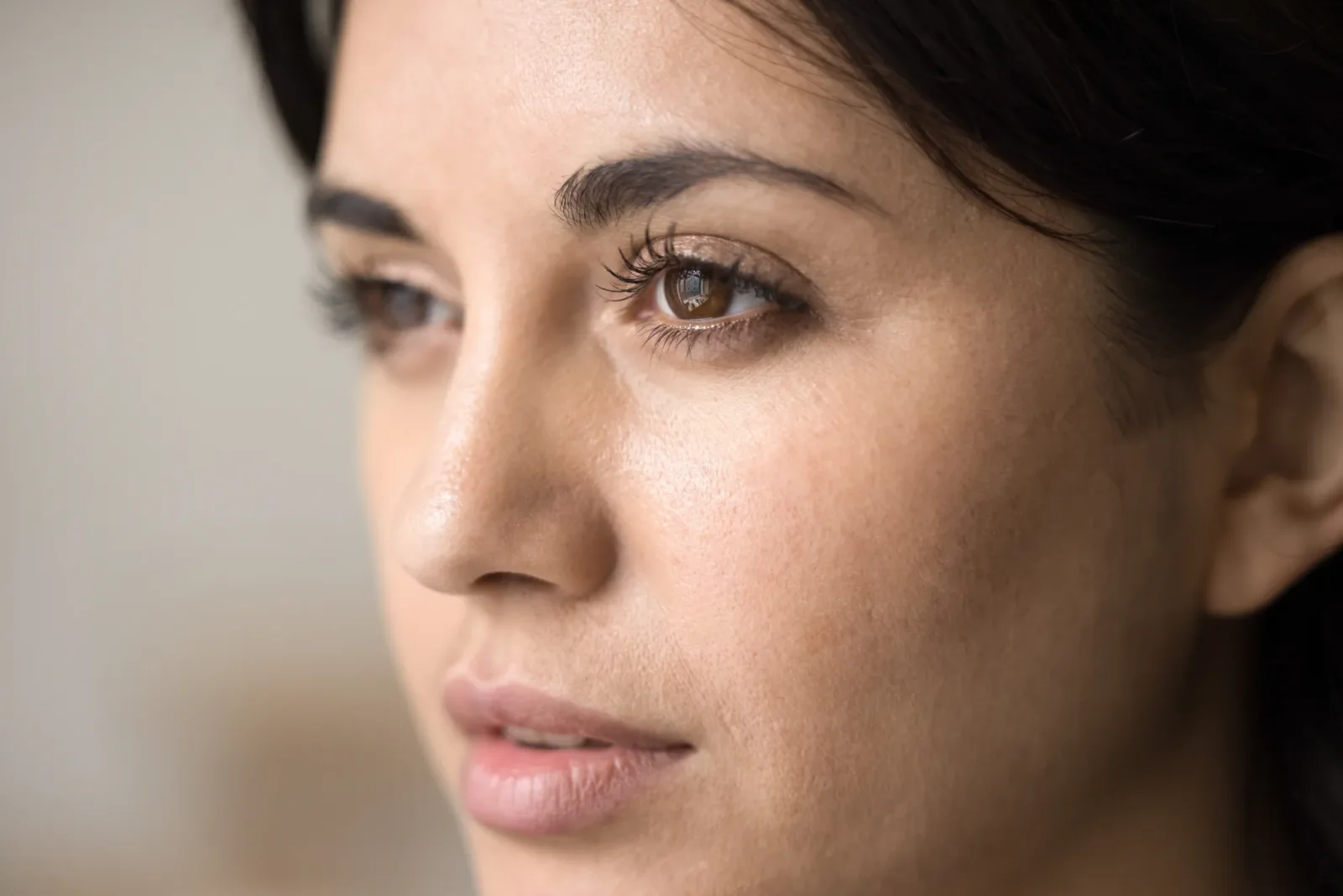
What it corrects
The procedure aims at the harmonious restoration of the eye area, adapted to the individual needs and anatomy of each face.
Addresses problems of the upper eyelid, most commonly excess skin (dermatochalasis) or fat prolapse that weighs down the gaze.
Addresses problems of the lower eyelid, targeting primarily the "bags" (caused either by fat prolapsing outward or by muscle laxity), as well as excess skin and wrinkles.
Improvement of the eye shape and smoothing of wrinkles.
Although a patient may opt for upper or lower blepharoplasty alone, for a more harmonious result, simultaneous surgery of both upper and lower eyelids is often recommended.
Beauty by Design
Blepharoplasty removes excess skin around the eyes for a brighter, more rested look, without a tired appearance.
Preparation
Before the surgery, a consultation takes place in which the patient expresses their wishes and the plastic surgeon performs the necessary personal assessment.
Preparation includes the standard pre-operative check, as well as a specialised ophthalmological evaluation. Approximately 15 days before surgery, it is recommended to discontinue anticoagulant medications (such as aspirin) and to avoid smoking. On the day of the procedure, the patient arrives at the clinic without makeup or contact lenses, accompanied by a trusted person.
Technique
On the day of the procedure, the process follows these precise stages:
Blepharoplasty is usually performed under local anaesthesia. The area is thoroughly disinfected, and the surgeon proceeds with the necessary pre-operative markings, confirming the personalised procedure plan. Although the patient remains awake, local anaesthesia keeps the process comfortable.
The surgeon creates a fine incision in the upper eyelid, which extends along the natural anatomical fold of the eye, so that the final mark is discreet.
The incision in the lower eyelid is performed with discretion, either immediately below the lash line (at the border with the conjunctiva) or internally (transconjunctival approach), with discreet scars.
Through the microscopic incisions, the excess fat is removed or redistributed strategically, the surplus skin is removed and the underlying muscle is reinforced. The procedure is completed with the placement of very fine sutures (which are removed after 5–7 days) and the application of protective care.
Information
After Surgery
The recovery period is smooth and brief, allowing an immediate return to daily routines.
Immediately after surgery, ice (cold compresses) is applied to the area to limit bruising, and it is recommended to sleep with the head slightly elevated for the first few days.
The fine sutures are removed at the practice 5–7 days after the procedure. The patient can safely shower 2 days after surgery, avoiding vigorous rubbing of the eyes.
Return to office work is possible in 5–7 days, once the sutures have been removed. Driving is permitted normally, provided the initial blurred vision (caused by protective eye ointments) has resolved and pain relief is no longer being taken.
While general movement is unrestricted, strenuous exercise, lifting heavy weights and wearing contact lenses should be avoided for a period of 4 weeks to support protection and healing of the tissues.

Results
Representative blepharoplasty cases. Each result is assessed based on the individual anatomy and goals of the patient.
FAQ
Yes, you most likely will, if you want to address expression lines such as crow's feet or the glabellar area. This is because blepharoplasty and botox are two different treatments that complement each other.
The surgical procedure removes the excess skin and fat bags. However, it does not touch the muscles that contract every time you smile or frown. These dynamic expression lines (crow's feet) continue to form because the muscle beneath the skin remains active.
The aim of this procedure is not to change the expression or the natural shape of the eyes, but to restore their youthful and rested appearance.
The procedure carries certain possible risks and complications, such as temporary swelling, bruising, dry eye, infection, or difficulty fully closing the eyes. The risk depends directly on the experience of the doctor.
Evaluate your options based on your eyelid anatomy and plan the right result together.
Results vary from person to person and cannot be guaranteed. Suitability for any treatment is determined by the doctor after a personal consultation.